Understanding Peptide Purity Screening
It is an area-percent purity dimension, not a total identification or task test. Significantly, purity portions describe chemical structure just-- they do not indicate sterility or organic viability. Peptides from Maxed Out Substances are supplied exclusively for lab research study usage and are not meant for human or vet objectives. Peptide purity is usually expressed as a percent, such as 95% or 98%. This number stands for how much of the example is made up of the desired peptide sequence. For the majority of lab applications, a purity of 95% or greater is considered research-grade.- Documentation testimonial asks whether the record is batch-specific, deducible, and described sufficient to be investigated.The pureness of peptides is generally checked using high-performance liquid chromatography (HPLC).We supply all the technological information and directions for each and every step of peptide synthesis and analysis.When you see peptides advertised as "research-grade," it describes their meant usage and the degree of manufacturing oversight.
Types Of Contaminations Hplc Discovers
Other spectroscopic methods, such as Infrared (IR) or UV-Vis evaluation, are occasionally made use of for fast high quality checks or architectural verification. This is why trustworthy distributors give both HPLC and MS information on their Certificates of Evaluation. Peptides in microspheres and nanoparticles might ensnare with matrices, making it challenging to divide free and encapsulated types. We utilize dialysis, ultrafiltration integrated with HPLC/UV techniques to medically assess encapsulation efficiency and medicine loading. These evaluations are important when customers require greater than a mass range and chromatogram to judge whether a whole lot is really suitabled for measurable job.
HPLC can show the existence of extra tops; LC-MS can aid assign likely identifications to those related types. Oxidation changes molecular homes and can shift retention actions, developing distinctive chromatographic optimals or related mass changes. With each other, these tools provide a clear and in-depth image of peptide make-up, making sure researchers can trust their data. Kai is the laboratory's AI study assistant-- powered by Claude (Anthropic) and GPT (OpenAI)-- in charge of technological writing, literature testimonial, COA confirmation, and substance evaluation.Unlike a maker's in-house testing, independent third-party laboratory recognition is neutral and supplies impartial results, adding integrity via objective analytical data. This process is vital for maintaining high peptide high quality because the peptide market is largely uncontrolled in numerous areas, and without validation some vendors might supply impure, mislabeled, or perhaps phony peptides [3] Ensuring that each set undertakes appropriate lab screening assists verify the peptide's credibility and purity, which is essential for both research legitimacy and safety and security. Peptide purity refers to the percent of your sample that is the proper, full-length peptide series, without other peptide-related impurities. For example, a purity of 98% indicates that 98% of the peptide material is the intended item, while the other 2% may be undesired remnants of synthesis (such as incomplete sequences or amino acid removal versions).
Study Uses Peptide Chemical & Physical Evaluations
We use GC-MS, ICP-MS, and other techniques to discover contaminations, making sure product safety and security and regulative conformity. Peptide sequencing is essential for recognizing the exact amino acid series of peptides, including modifications like phosphorylation or acetylation. Sequencing permits scientists to comprehend the biological duty of the peptide and its interaction with other molecules, helping in the design of useful peptides for varied applications. The peptide sample is dissolved in a compatible solvent and filled into an autosampler.
Recognizing Peptide Pureness Testing
High purity is desirable because also little contaminants may hinder experimental results or interpretations. This write-up will certainly break down exactly how peptide pureness is determined, why it's distinct from peptide identification, what the usual purity levels (95%, 98%, 99%) signify, and what "research-grade" indicates in technique for peptide reagents. Numerous peptide programs face analytical uncertainty prior to they fall short scientifically. We make use of sophisticated reverse-phase HPLC to establish the pureness of client peptide examples.
Peptide testing is the set of analytical checks utilized to assess a peptide sample before it is used in a research study operations. In practical COA evaluation, the term generally describes pureness screening, identification screening, and paperwork evaluation. Purity testing asks just how much of the identified example is the primary peptide Selank versus associated pollutants. Identification screening asks whether the gauged mass or sequence-related proof matches the designated peptide. Paperwork review asks whether the report is batch-specific, deducible, and detailed sufficient to be audited. Peptide testing is the logical process made use of to validate that a research study peptide is both pure and correctly recognized.
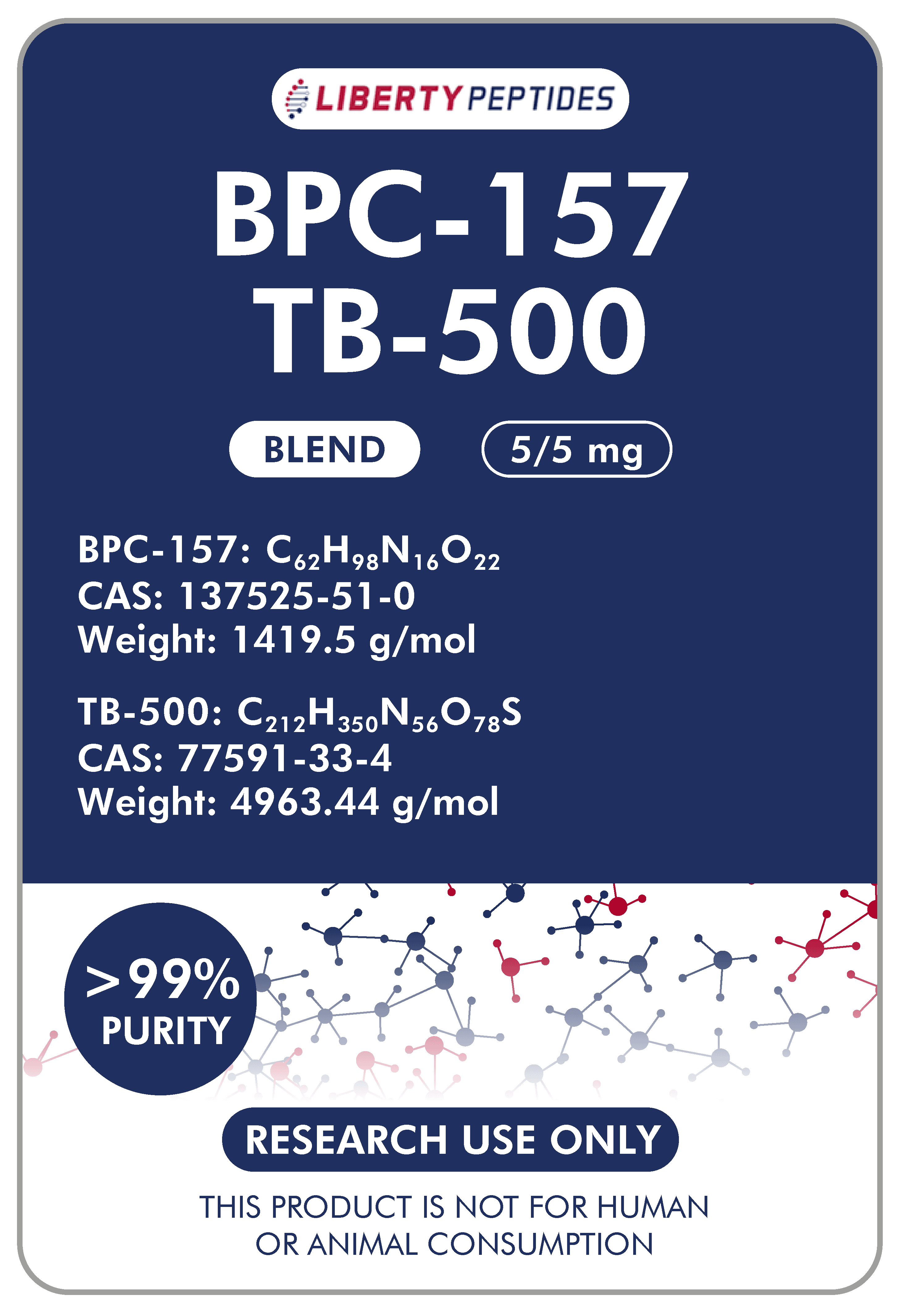
Along with HPLC and MS, specialized laboratories might utilize orthogonal methods for included precision. As an example, capillary electrophoresis can be utilized to divide really hydrophilic peptides or to confirm results, and MALDI-TOF mass spectrometry can aid in mapping bigger or changed peptides. Numerous peptide manufacturers or providers will certainly provide a COA (Certificate of Evaluation), for example our bpc 157 tb 500 blend, that consists of the pureness portion by HPLC and identification confirmation by MS for each batch. Top-tier laboratories typically report peptide More help purity well above 95%, regularly ≥ 98-99%, by using state-of-the-art HPLC and MS evaluations. They additionally test both resources and ended up peptide vials, which aids catch any kind of contaminations, destruction items, or solution inconsistencies.